Dear Agencies: Let’s Make CR26 Work
FedRAMP’s Consolidated Rules for 2026 move federal cloud compliance toward structured, machine-readable certification data. The transition depends on agencies modernizing their own processes while preserving reciprocity and risk-based security.
How to Derive FedRAMP PAIN Ratings Under CR26
FedRAMP defines Potential Agency Impact N-ratings but does not prescribe a single method for deriving them. This approach connects security categorization, asset context, and vulnerability impact in a repeatable calculation.
Putting the Risk Back in FedRAMP
The FedRAMP Consolidated Rules for 2026 are changing more than vulnerability classifications. They are reshaping how providers evaluate, explain, and manage mission risk. Why This Matters Now Recent conversations with industry leaders, cloud providers, assessors, and other FedRAMP stakeholders—including discussions at the 8th Annual GovForward: Carahsoft Summit on FedRAMP—have highlighted the scale of the change […]
Make RMF Work for The Mission
Moving from compliance activity to measurable cybersecurity outcomes BOTTOM LINE UP FRONT Security programs must demonstrate performance, not just produce paperwork. Bottom-Line-Up-Front Shifting from repetitive, document-heavy compliance processes to deterministic telemetry and risk-based vulnerability management can reduce RMF administrative costs while improving cybersecurity outcomes. Armory™ and RADAR help agencies continuously measure security posture, prioritize the […]
Vulnerability testing of mobile applications using stackArmor ThreatAlert Mobile

Given the increasing focus on cybersecurity, supply chain risk and compliance requirements – businesses are being asked to provide evidence
Vulnerability Assessment and Penetration Scanning for AWS cloud hosted applications

stackArmor has years of experience in security assessment and authorizations in compliance with NIST, FISMA, FedRAMP and HIPAA
Vulnerability Management for Public Websites with AWS Web Application Firewall (WAF)
WAF or web application firewall helps protect your web applications from common web exploits such as SQL injection, Cross site scripting or XSS, HTTP flood attacks etc.
Vulnerability management at scale with DevSecOps
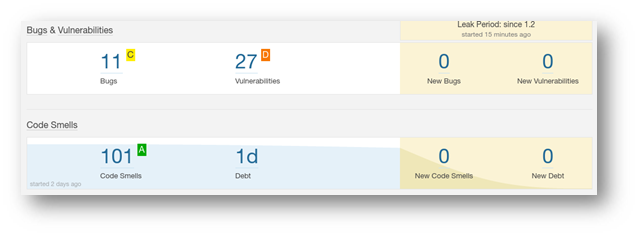
Market research firm Forrester forecasts that nearly 60% of North American enterprises rely on public cloud computing platforms
Vulnerability Management and Data Protection to comply with California Consumer Privacy Act
The State of California has enacted the California Consumer Privacy Act 2018
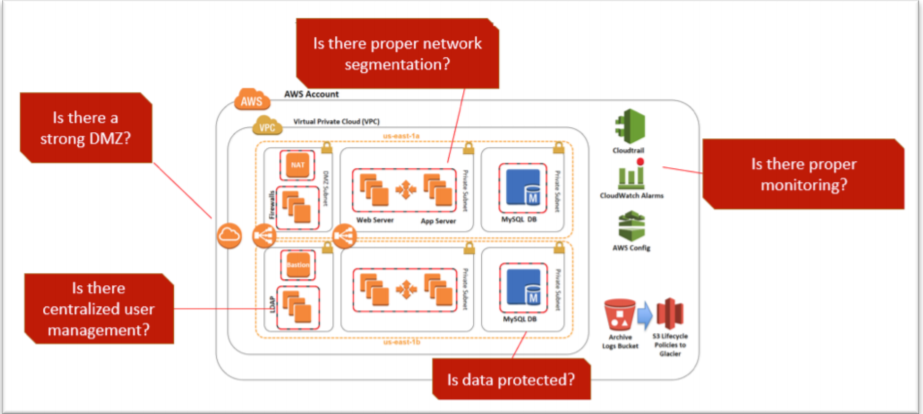
Network Vulnerability Assessment and Risk Management on AWS Cloud
Security focused organizations in healthcare, education, non-profit and public sector markets
Can we prevent data leaks with continuous vulnerability monitoring and security compliance?

The ability to protect and safeguard data in the cloud is critical to meet mission requirements and deliver satisfactory business outcomes.